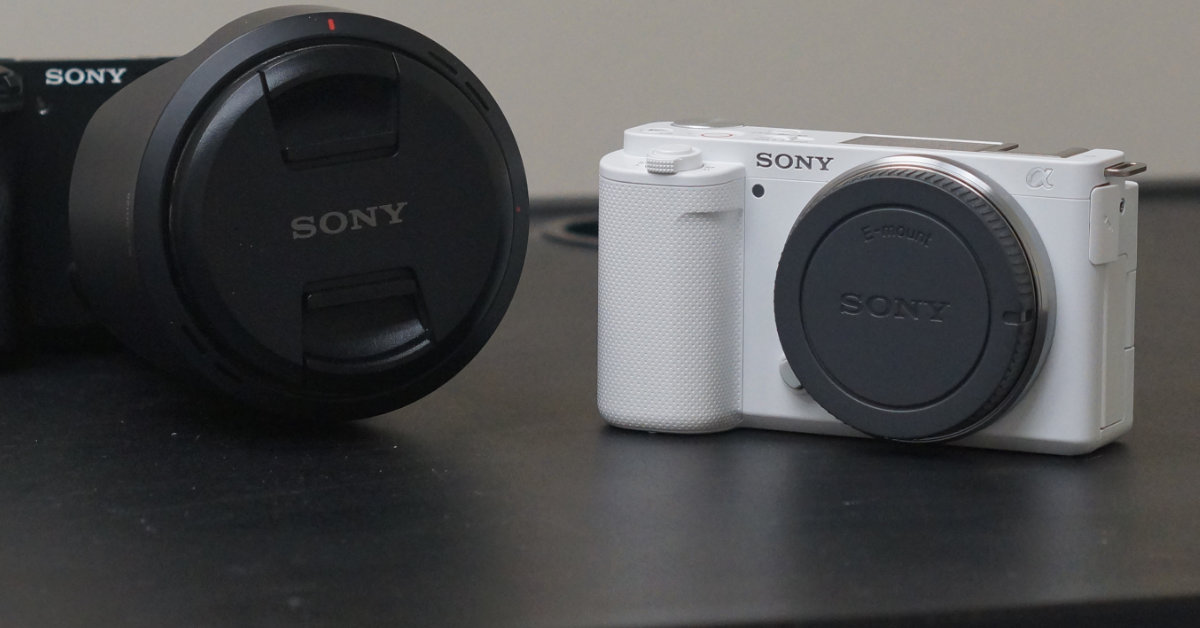
If you’ve been following the channel, you know I’m all about efficiency. Whether I’m testing the latest OTA update in a Cybertruck or analyzing kWh efficiency, the gear I use to document that journey has to work as hard as I do.
I’m not a professional videographer—I’m a tech guy who’s been using digital cameras since the early 2000s. For years, my workhorse was the Sony a6500. I picked it up back in 2017 as my first real mirrorless hybrid. It did the job, but as my content evolved, the tech started to feel like a bottleneck.
I recently integrated the Sony ZV-E10 into my workflow to see if it could “Smarten Up” my production. Here is my real-world analysis of where this camera wins, where it fails, and why I ultimately decided to keep it in the kit.
The Solo Creator Problem: Monitoring the Shot
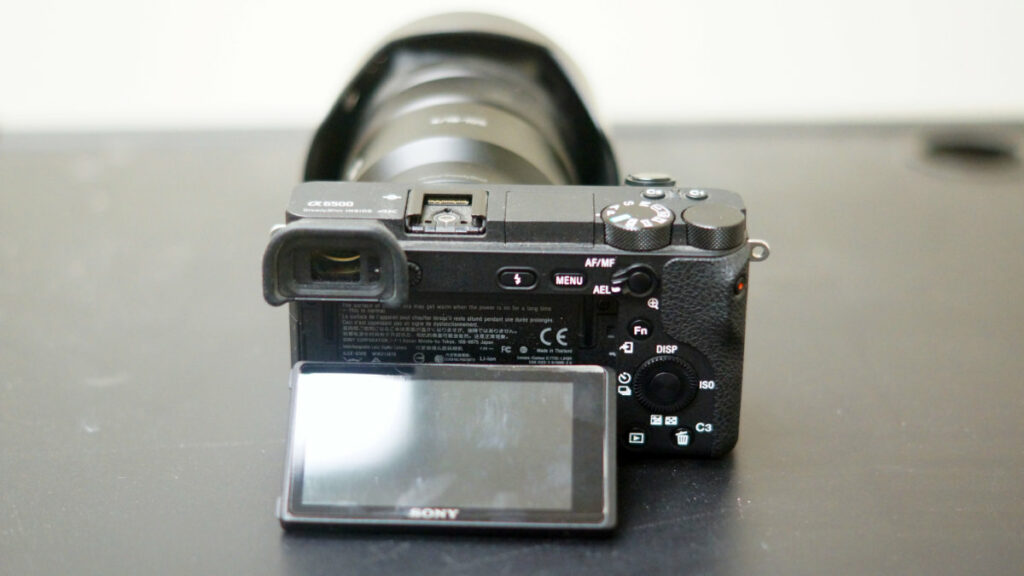
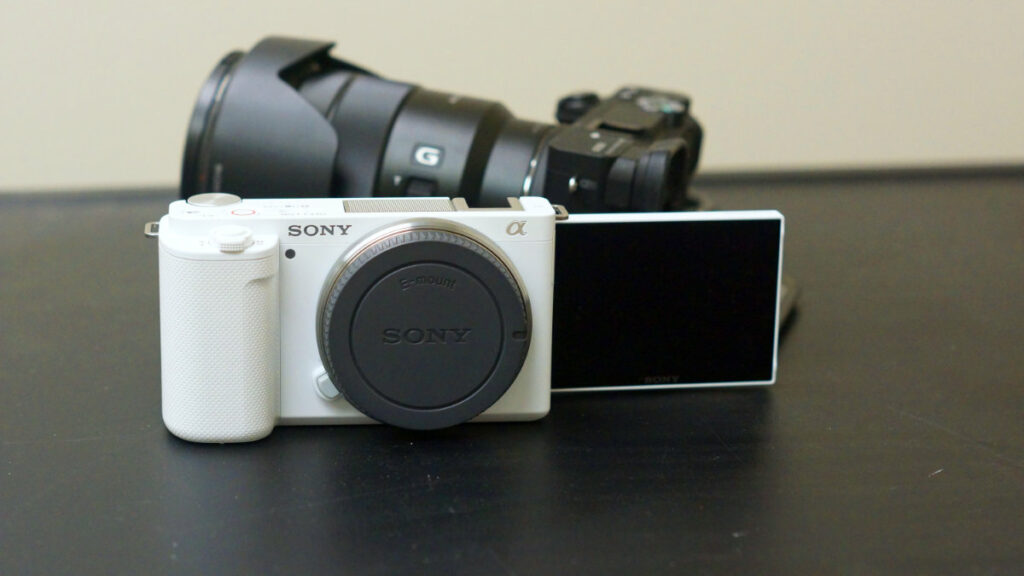
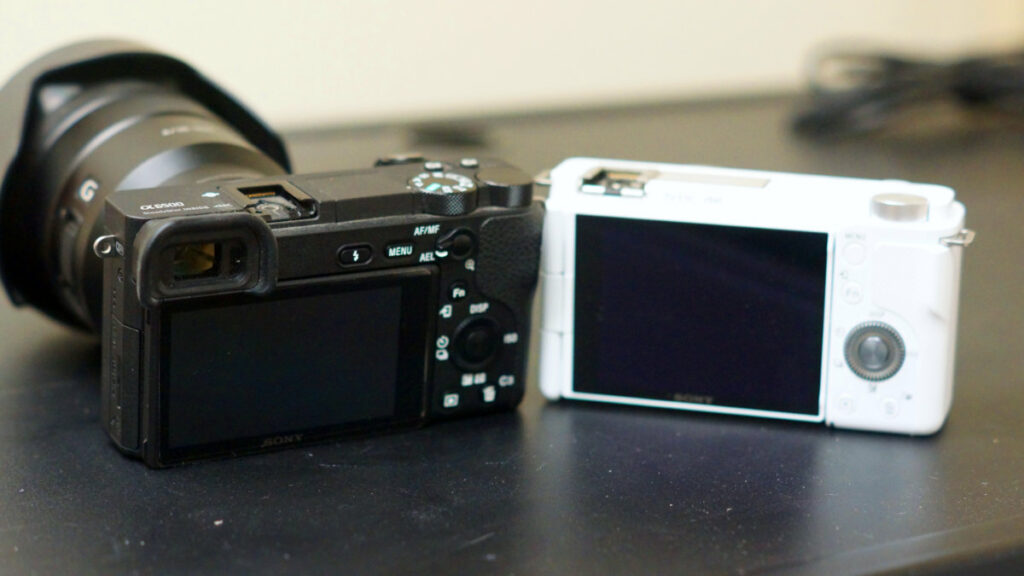
The biggest hardware limitation on the a6500 was the screen. It tilted, but it didn’t flip. If you are recording solo—which I do for most of my deep-dive tech reviews—you are essentially flying blind.
I used to rig up external cables to a TV just to monitor my shots. It worked, but it wasn’t mobile, and it definitely wasn’t “smart.” The ZV-E10 solves this with a fully articulating flip-out screen. Being able to see your framing, focus, and levels while standing in front of the lens is a game-changer for solo creators.
Key Takeaways: Why the ZV-E10 Wins on Paper
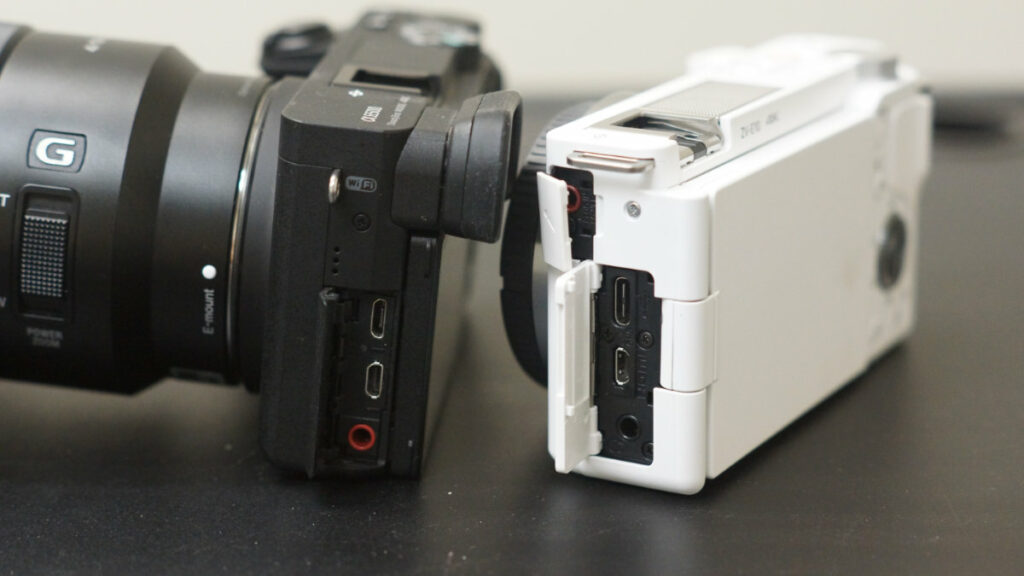
- No Recording Limits: The a6500 capped out at 30 minutes. While I don’t often film 30-minute takes, having that limit removed means one less thing to worry about during long-form technical explanations.
- USB-C Ecosystem: We are moving toward a single-cable world. The ZV-E10 features USB-C that supports charging and direct video streaming.
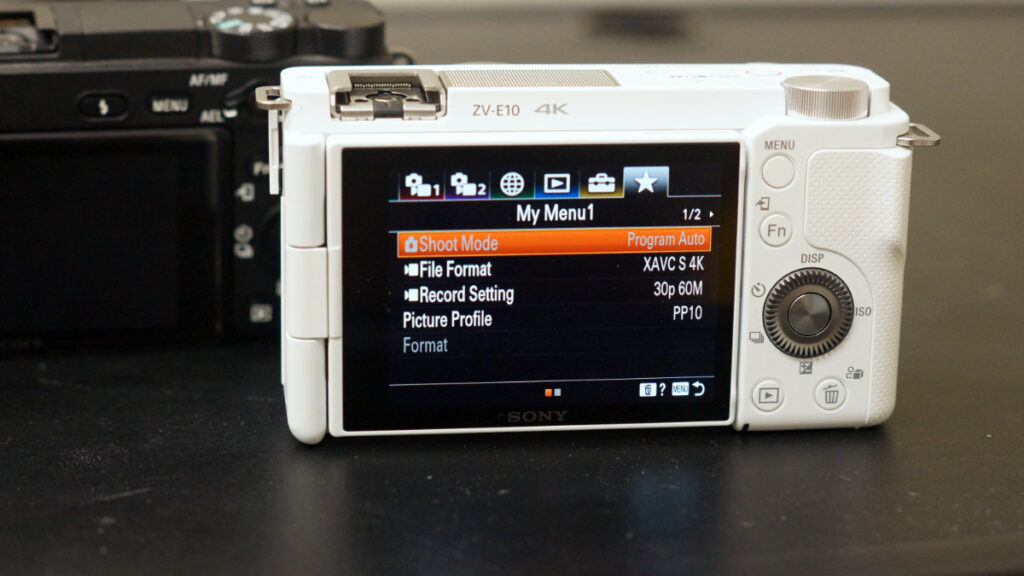
- Custom Interface: The newer Sony UI allows for custom shortcut menus. I can group my most-used functions (Focus modes, ISO, Audio levels) in one place rather than digging through the infamous Sony “menu maze.”
- Weight Efficiency: It’s 110g lighter than the a6500. When you’re rigging this onto a suction mount or a handheld gimbal, every gram matters.
Leveraging the E-Mount Ecosystem
One of the smartest moves Sony made was sticking with the E-mount. I didn’t have to go out and buy a whole new set of glass to test this body. I’ve been putting two specific lenses through their paces:
1. The Sony 10-18mm F4 (SEL1018)
In my dedicated filming space, distance is a luxury I don’t always have. At 10mm, this lens is wide enough to capture the full scope of the tech I’m reviewing without me having to stand in the next room. While the F4 aperture doesn’t give me that “creamy” bokeh, the focus speed is snappy enough for fast-moving tech demos.
2. The Sigma 16mm f/1.4
This is a legendary lens for a reason. It’s incredibly fast and sharp. However, on an APS-C (crop) sensor like the ZV-E10, that 16mm becomes roughly a 24mm equivalent. It’s tight. I often find myself rearranging my entire studio setup just to get the framing right. But when it hits, the eye-tracking autofocus on the ZV-E10 makes sure I’m locked in, even at f/1.4.
What You Lose in the Switch
It wasn’t all upgrades. In fact, there were a few days where I was ready to box this camera up and send it back. If you’re coming from a “stills-first” camera like the a6500, you’re going to notice some missing pieces:
- No EVF (Electronic Viewfinder): If you’re shooting outdoors in high-glare situations (like a bright day at a charging station), the LCD screen can get washed out. On the a6500, I could jump to the viewfinder. On the ZV-E10? You’re guessing.
- The IBIS Gap: The ZV-E10 lacks In-Body Image Stabilization. Sony wants you to use “Catalyst Browse” to stabilize using gyroscopic data in post-production. It’s an extra step in the workflow, and as a guy who values time, I’d rather have it stabilized in-camera.
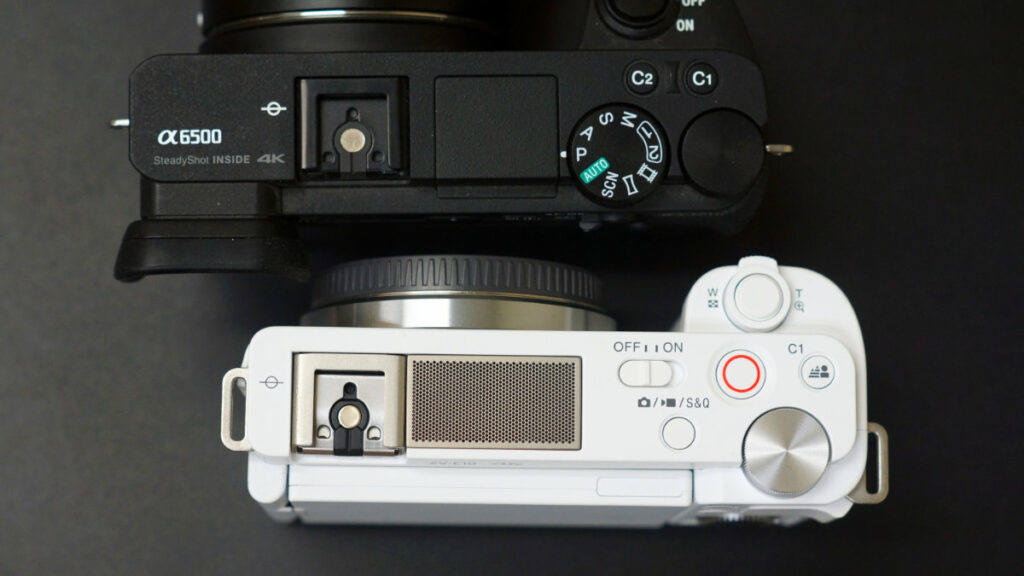
- Tactile Controls: The a6500 has a physical mode dial. The ZV-E10 forces you to cycle through modes with a single button. It’s a minor annoyance, but for a power user, it feels like a step backward in ergonomics.
The Battery Struggle
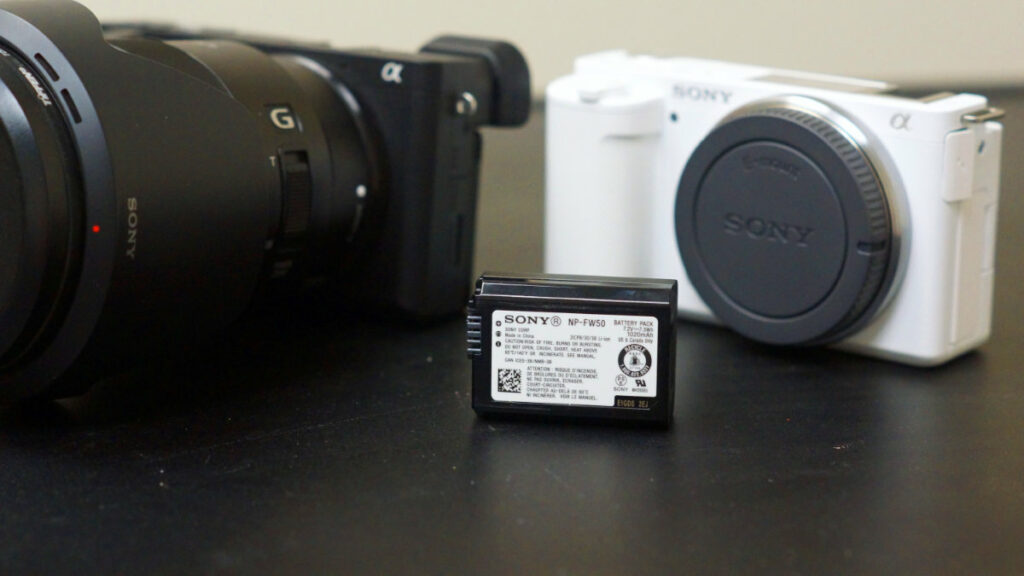
Both of these cameras use the NP-FW50 battery. Let’s be honest: this battery is the “standard range” of camera power—it’ll get you there, but you’re always watching the percentage. If you’re doing serious work, you need a dummy battery or a handful of spares in your gear bag.
Is it a “Smart” Upgrade?
Initially, I didn’t think the ZV-E10 was enough of an upgrade to justify the cost. But after using it as my primary camera for studio recording, the improved autofocus and the flip-out screen won me over. The eye-tracking alone saves me from “focus hunting” disasters that used to ruin takes on the a6500.
I’m keeping the ZV-E10 for now, but my eyes are on the horizon. The next logical step for this channel is moving to a Full Frame sensor for better low-light performance and dynamic range.
Are you still rocking a crop sensor, or have you made the jump to Full Frame? Let me know in the comments.