Sony ZV-E10 vs a6500: The Solo Creator Tradeoff
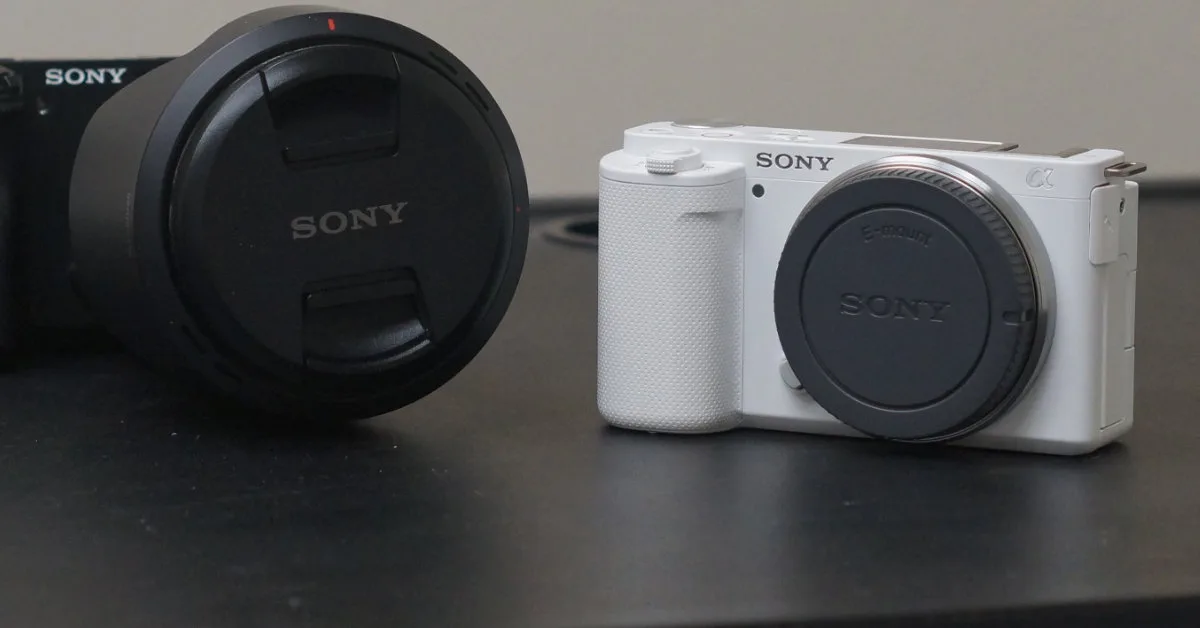
I’ve been shooting on the Sony a6500 for a while. It’s a capable camera — solid autofocus, reliable build, a deep E-mount lens ecosystem. For a lot of creators, it’s still the workhorse answer to “what camera should I get for YouTube.”
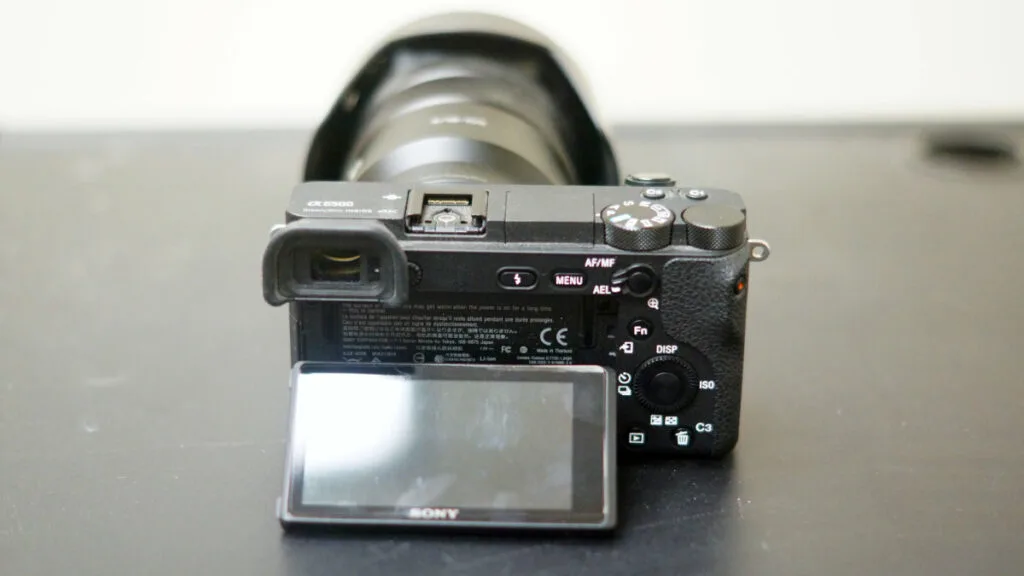
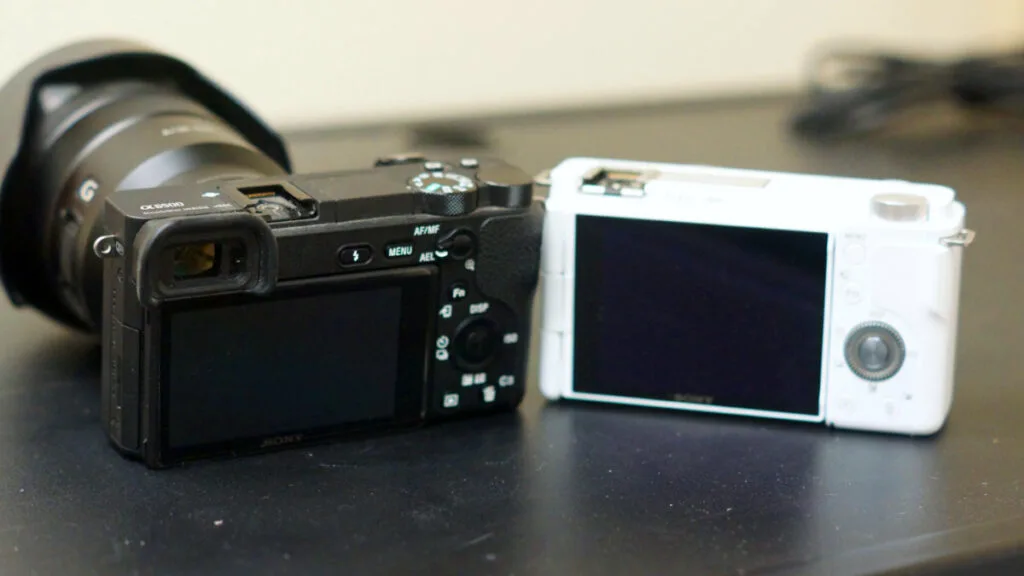
But the a6500 has a screen problem.
It tilts. That’s it. It doesn’t flip out. It doesn’t rotate to face the front. If you’re shooting solo — just you and the camera, no crew — the tilting screen means you’re either guessing your own framing or setting up a monitor. Neither is ideal.
The Sony ZV-E10 was built with that exact problem in mind.
The Solo Creator Problem
When you’re a solo creator, the camera needs to work for you without requiring a full production setup. Every pain point that requires a workaround is a small reason to skip a shoot.
The a6500 is a great camera that creates unnecessary friction for one very specific scenario: talking-head solo content. The ZV-E10 is Sony’s attempt to solve that friction without abandoning the E-mount ecosystem.
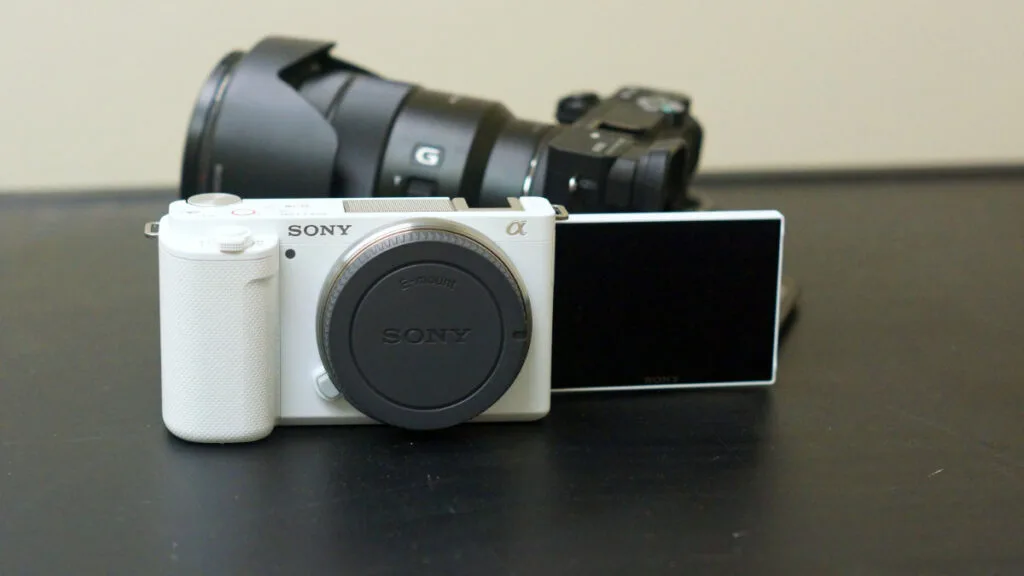
I borrowed a ZV-E10 for a few weeks to see if the “vlogger features” actually move the needle.
Leveraging the E-Mount Ecosystem
The strongest argument for the ZV-E10 if you’re already in the Sony E-mount world: you don’t lose a single lens. Everything carries over.
Sony 10-18mm f/4
The 10-18mm is the wide-angle workhorse for APS-C Sony shooters. On the ZV-E10’s crop sensor, it stays genuinely wide — useful for vlogging where you want context around you, not just your face filling the frame.
The pairing works well. Autofocus on the ZV-E10 is snappy and the face/eye tracking handles most vlogging situations without intervention.
Sony 10-18mm f/4 OSS (Renewed) on Amazon →Sigma 16mm f/1.4
The Sigma 16mm is the “get this lens” recommendation in the E-mount world, and for good reason. At f/1.4 it delivers background separation that punches above the camera body’s price point. On the ZV-E10, it remains an excellent choice — the autofocus integration is good, the image quality is impressive for the price.
If you already own either of these lenses, the ZV-E10 transition is painless on the glass side.
Sigma 16mm f/1.4 on Amazon →What You Lose in the Switch
The ZV-E10 is not a straight upgrade from the a6500. There are real tradeoffs.
No in-body image stabilization (IBIS). The a6500 has IBIS. The ZV-E10 does not. For handheld shooting without a gimbal, this matters. The ZV-E10 does have electronic stabilization (Sony’s “Active SteadyShot”), but that crops the image and introduces some edge distortion. It’s acceptable for casual vlogging; it’s not IBIS.
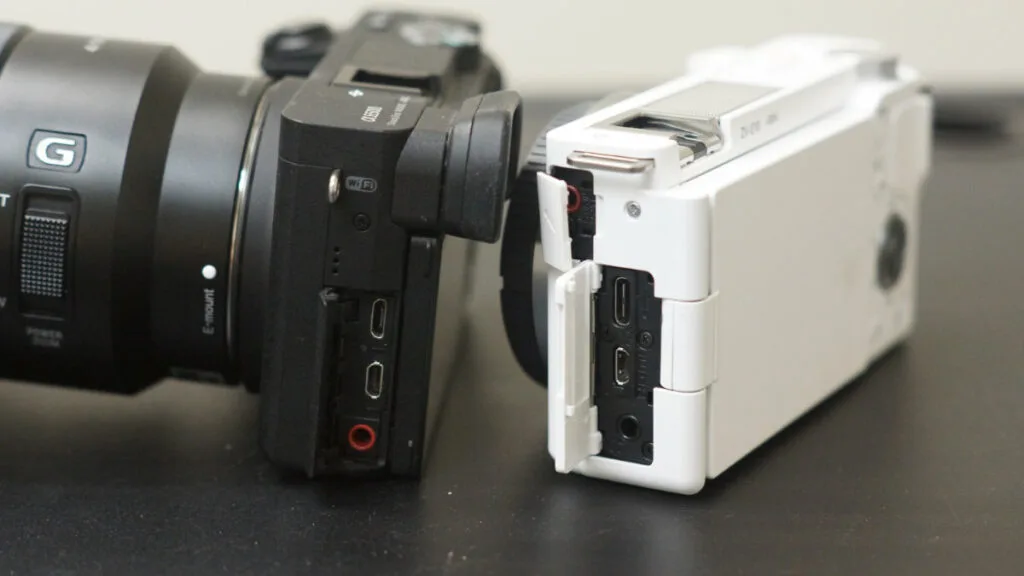
No viewfinder. Shooting in bright daylight without an EVF is a pain point. The ZV-E10 has no viewfinder at all. The a6500 does.
Lighter build, more plastic. The ZV-E10 feels like a consumer camera because it is one. The a6500 feels more solid. For studio or controlled shooting, this doesn’t matter. For travel or outdoor work where you need confidence in the build, it’s worth noting.
The Battery Struggle
Both cameras use the NP-FW50 battery, which is both good news and bad news.
Good news: your existing batteries and chargers work. No new investment.
Bad news: the NP-FW50 was never a high-capacity battery. I was already carrying spares on the a6500 for anything longer than an hour of shooting. The ZV-E10’s eye-tracking autofocus and active stabilization run constantly in the background, so the drain is worse — I noticed the difference on longer outdoor sessions where I’d previously been fine on one charge.
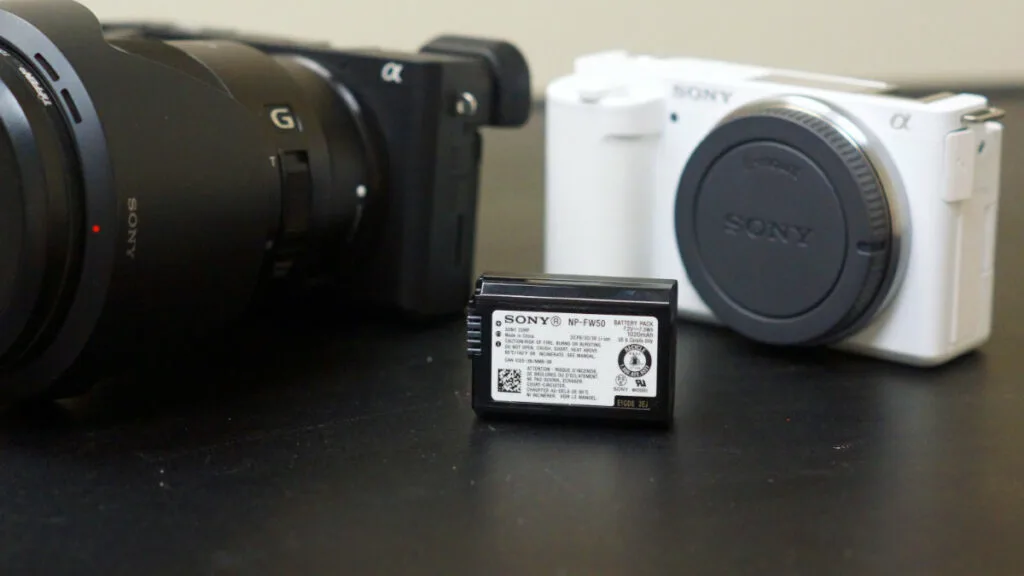
Two spares minimum. That’s the real answer regardless of which E-mount body you’re on.
Is it a “Smart” Upgrade?
Depends on what you’re optimizing for.
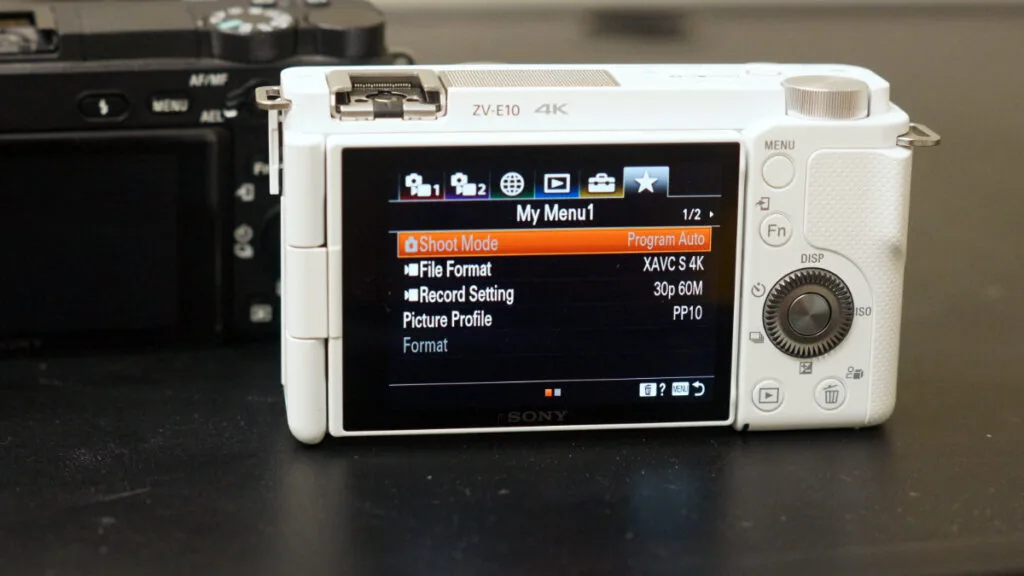
If your primary use case is solo talking-head content — YouTube videos, course content, social media — the flip-out screen and ZV-E10’s “vlogger” feature set (like the Vlog mode that smoothly transitions between background bokeh and front-focused shooting) make the upgrade genuinely worthwhile. The friction reduction is real.
If you do mixed shooting — events, travel, run-and-gun stuff where you need IBIS and don’t always have controlled lighting — the a6500 is probably still the more capable tool. The ZV-E10 makes smart compromises for its target use case, and “mixed shooting” isn’t that target.
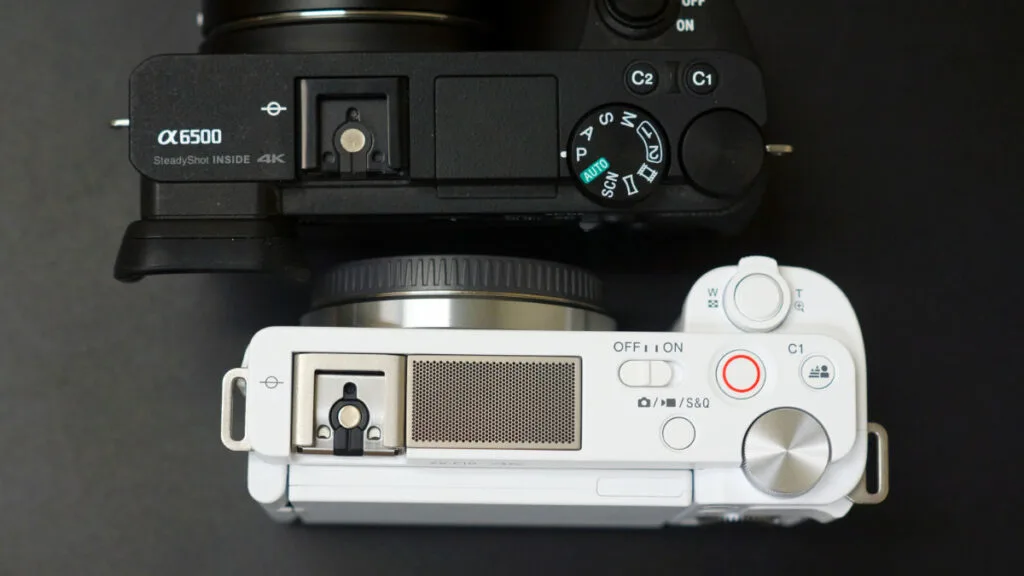
The ZV-E10 is a focused tool. If the problem it solves is your problem, it solves it well. If you need a more general-purpose camera, look elsewhere in the lineup — or keep the a6500 and solve the screen problem with a field monitor.
Either way, the E-mount ecosystem is the real long-term investment. The body is a rental; the glass is the keep.
Sony ZV-E10 on Amazon →If you’re weighing camera vs. phone as your next upgrade, I also ran the numbers on the Google Pixel Fold at $350 — a different kind of value tradeoff for solo creators.
Affiliate disclosure: This post contains Amazon affiliate links. Purchases made through these links may earn a small commission at no additional cost to you. See our disclosure page for details.
Leave a comment
Comments are moderated, so it may take a bit before yours appears. Your email is never published.